Craft Journeys: Learn Beside the Makers
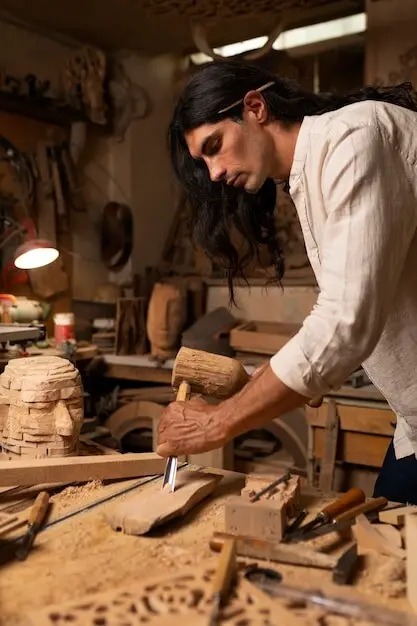
Set your hands to work and your curiosity to wander as we explore hands-on retreats and apprenticeships with regional artisans across the world, where techniques are shared around real benches, kilns, and looms, and where mentorship, culture, and travel weave lasting skill and friendship.

Opening the Studio Door

Step into living workshops where heritage breathes through fingertips and tools sing with rhythm. Listen to the origin stories behind each bowl, scarf, and carved panel, and discover how hospitality, patience, and humility turn strangers into collaborators. Share your curiosities in the comments, ask kindly, and let makers lead the pace, because trust opens more doors than any reservation form ever could.

Finding authentic places to learn

Follow the quiet trails of guild recommendations, local cooperatives, and community centers rather than glossy brochures promising overnight mastery. Speak with residents, seek multilingual guides, and cross-check alumni stories. Authenticity shows in calloused hands, shared meals, and schedule flexibility that prioritizes process over spectacle.

Respect, etiquette, and cultural sensitivity

Begin by observing, not directing. Ask permission before photographing, compensate for time generously, and honor workshop rhythms shaped by prayer, harvest, or market days. Learn greetings, offer help sweeping floors, and accept feedback with gratitude. Respect for tradition and livelihood turns learning into a mutually uplifting exchange.

Assess your skill and learning style

List what you can already do comfortably, then name what scares you. If you thrive on structure, seek curricula with milestones. If you learn by osmosis, prioritize observation-heavy studios. Honest self-assessment avoids overwhelm, accelerates breakthroughs, and keeps mentors aligned with your most meaningful outcomes.

Timing, duration, and seasonal rhythms

Harvests, festivals, and weather shape workshop availability and daily energy. Winter glazing differs from summer firing; lambing season changes a shearer’s calendar entirely. Choose durations that respect these cycles, leaving buffer days for rest. More important than speed is absorbing the pace that materials themselves demand.

Budget wisely and pay fairly

Account for tuition, materials, studio wear-and-tear, translation, meals, and transport. Budget extra for breakage and experimentation, because exploration consumes resources. Pay deposits on time, tip assistants, and ensure artisans set prices, not third parties. Fair compensation protects knowledge lineages and keeps doors open for future learners.

Materials, Tools, and Techniques You’ll Touch

From earth and fiber to flame and steel, you will meet materials as living collaborators rather than passive supplies. Expect to sharpen, soak, season, and test. Techniques reveal themselves through repetition and story. As you handle tools, you also inherit safety habits, sourcing ethics, and the quiet patience that keeps craft honest.

Weaving with plant fibers and stories

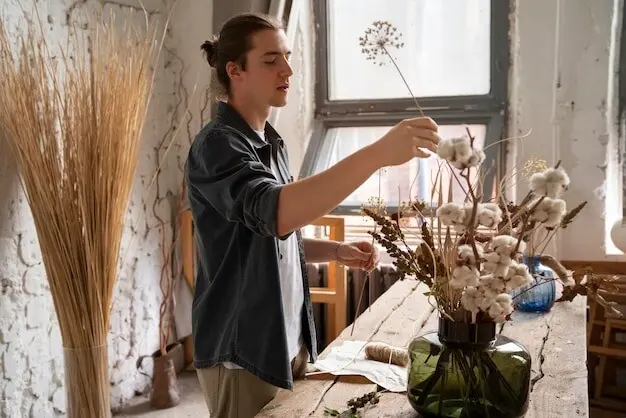
Gather raffia, nettle, flax, or palm fronds, then listen as elders explain how each strand reflects soil, rain, and harvest rituals. Preparing fibers demands soaking, scraping, and twisting with rhythm. Patterns carry ancestral memory; your new basket will cradle both objects and responsibilities learned through making.

Carving wood with safe, sharp confidence

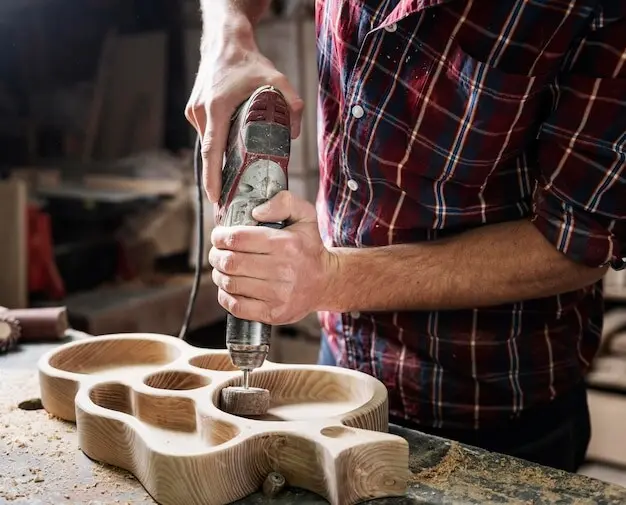
Begin with grain reading and knife grips that protect thumbs and wrists. Learn to strop edges before every pass, and to let the tool’s geometry guide the cut. Shavings teach angles better than diagrams. By respecting season, moisture, and species, your spoon or mask will hold honest form.

Color from earth: natural dye alchemy

Indigo, madder, walnut, and onion skins color cloth through chemistry that begins in gardens and ends in vats. You will test pH, control heat, and watch fibers bloom into hue. Sampling swatches becomes a diary of place, reminding you to source respectfully and return nutrients to soil.

Inside the Apprenticeship Day

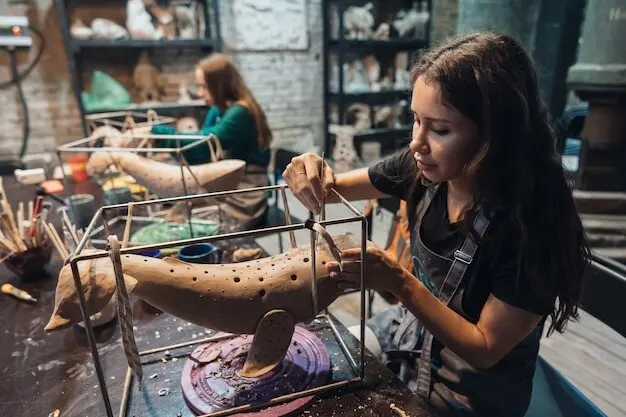
Expect hands that ache, notes smudged with slip, and quiet moments where watching teaches more than talking. Routines anchor progress: sweeping, prepping, practicing, then reflecting. Mentors offer micro-corrections that seem small until they transform results. Lean into repetition, celebrate honest mistakes, and notice how shared meals strengthen the learning bond.

Learning by doing, embracing mistakes

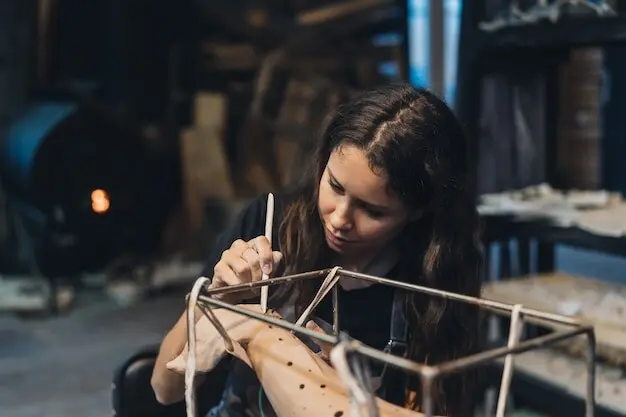
Your first mug will wobble. A carving will chip. Document what happened, ask why, and try again immediately while memory stays warm. Failure is feedback wearing work clothes. Apprenticeship replaces fear with process, revealing that craftsmanship grows from calibrated do-overs rather than single perfect attempts.

Mentor feedback and quiet observation

Critique arrives as a tap on the chisel, a nod toward hinge placement, or a suggestion to slow the wheel. Watch wrists, stance, breathing. Notice the pauses. Silent minutes often deliver more instruction than lectures, because embodiment, not explanation, transmits the subtle timing that separates adequate from excellent.

Rituals that shape memory and skill

Sharpen before dawn, sweep after lunch, label experiments at dusk. Repetition becomes ritual, and ritual builds confidence. When nerves flare, rituals return you to center. One potter lights a candle before trimming; a weaver hums three notes before warping. Create your own anchors and share them with peers.

Travel Logistics with Purpose

Pack smart for messy making

Choose clothing you will not mourn when stained, closed-toe shoes, and a breathable apron. Ear protection, a notebook that tolerates dust, and a small first-aid kit prove invaluable. Leave precious jewelry behind. Include biodegradable wipes, reusable water bottle, and compact sun protection to keep focus on craft, not discomfort.

Visas, insurance, and health precautions

Research entry requirements early, ensuring your purpose aligns with permit categories. Carry copies of invitations and addresses. Health insurance should cover workshop risks, from minor cuts to kiln-area heat. Update tetanus shots, pack personal medications, and confirm local clinics. Preparedness preserves time, money, and the energy required for learning.

Lower your footprint, raise your care

Travel by rail when possible, offset only after reducing, and favor homestays or cooperatives that reinvest locally. Bring refillable containers and respect water scarcity. Buy materials from the workshop rather than imported alternatives. Sustainability is not a slogan; it is a daily choreography of considerate choices.

Create a small but mighty workspace

Claim a corner with good light, stable surfaces, and safe storage. Organize tools by task, not aesthetics, and leave space for drying, sketching, and mistakes. Post process notes on the wall. A humble, dedicated station transforms occasional inspiration into dependable, renewable practice.

Document progress and build a portfolio
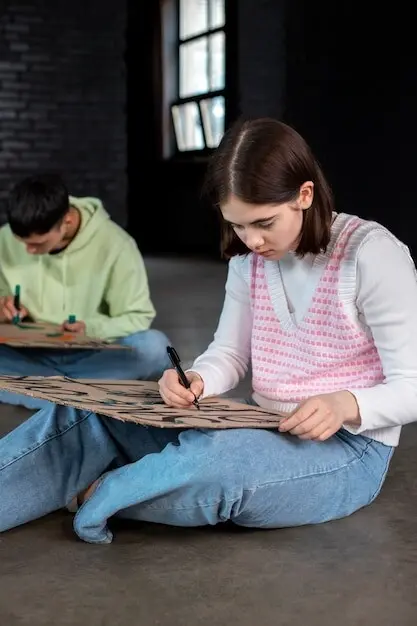
Photograph stages, not only finishes, then annotate choices and outcomes. Record mentor quotes, material sources, and cost per piece. Sharing this log with future teachers accelerates guidance. Over time, your portfolio becomes both map and mirror, revealing strengths, gaps, and the evolving voice of your hands.

Share locally and grow community

Host a show-and-tell evening, organize a neighborhood make night, or mentor a curious teenager. Credit your teachers, purchase from their networks, and link buyers directly to artisans whenever possible. Community thrives when generosity circulates, passing skills and opportunity forward like a well-balanced baton.
Rinonovinexomirazorifexomexo
Privacy Overview

This website uses cookies so that we can provide you with the best user experience possible. Cookie information is stored in your browser and performs functions such as recognising you when you return to our website and helping our team to understand which sections of the website you find most interesting and useful.